THE TRANSPORT GUIDE
Open vs. Enclosed Auto Transport: Choosing the Right Way to Ship Your Vehicle
Understand the differences before choosing a transport option. A daily driver, collector car, boat and excavator each call for a different review of value, dimensions, weight, condition, loading needs and destination.
Last updated:
C&P Auto Transport Express LLC is a transportation broker. We arrange and coordinate service through qualified carriers; the assigned carrier operates the transport equipment. Options are subject to shipment eligibility, equipment and carrier availability.
Open transport: a practical option for everyday vehicles
Open transport is a widely used option for cars, SUVs and trucks. Carriers can move several vehicles on one trailer, sharing transportation costs among shipments. This often makes open transport less expensive than enclosed transport.
Common shipments include new and used vehicles, daily drivers, dealer and auction inventory, relocation vehicles, fleets and long-distance moves. Suitability still depends on the vehicle and route.
The assigned carrier is responsible for securing and transporting the vehicle under its operating requirements. An open trailer exposes the vehicle to weather, dust, dirt and road debris during transit.
Open transport →Enclosed transport: reduced exposure for specialty vehicles
An enclosed trailer surrounds the vehicle, reducing exposure to weather, road debris, dust and dirt. It offers an additional layer of protection compared with an open trailer, but it does not eliminate every transport risk.
Customers often consider enclosed transport for luxury and exotic cars, classic and collector vehicles, high-value automobiles, sports and performance cars, restored or custom vehicles, show cars, specialty finishes, or simply a preference for reduced exposure.
Enclosed transport generally costs more. Capacity and carrier availability can be more limited, and the added enclosure affects operating costs. We help you weigh these trade-offs for your particular shipment rather than treating either option as universally correct.
Enclosed transport → · Luxury and classic vehicles →Open and enclosed, at a glance
Actual options and pricing depend on the shipment, route, timing and carrier availability. No fixed price or delivery date is implied.
Lowboy and specialized trailers: matching the load
Some equipment does not fit the dimensions, weight limits or loading arrangements of a standard auto carrier. A shipment review should consider length, width, height, weight, loading method, route clearance and applicable transport requirements.
A lowboy has a low deck that can be useful for tall or heavy equipment when appropriate. Potential loads include excavators, bulldozers, skid steers, tractors, agricultural and construction machinery, industrial equipment, heavy trucks, oversized machinery and certain specialty vehicles. This is not a promise that every load can be accepted.
- Flatbed
- An open, generally level platform that may suit certain vehicles, equipment or crated loads when loading and securement arrangements are appropriate.
- Step-deck
- A trailer with a lower main deck behind an upper deck, which may help accommodate some taller loads.
- RGN (removable gooseneck)
- A trailer design with a detachable front section that may facilitate loading suitable machinery.
- Lowboy or other specialized equipment
- Selection depends on the specific load, carrier equipment and route—not simply the name of the machine.
Boat transportation: more than trailer size
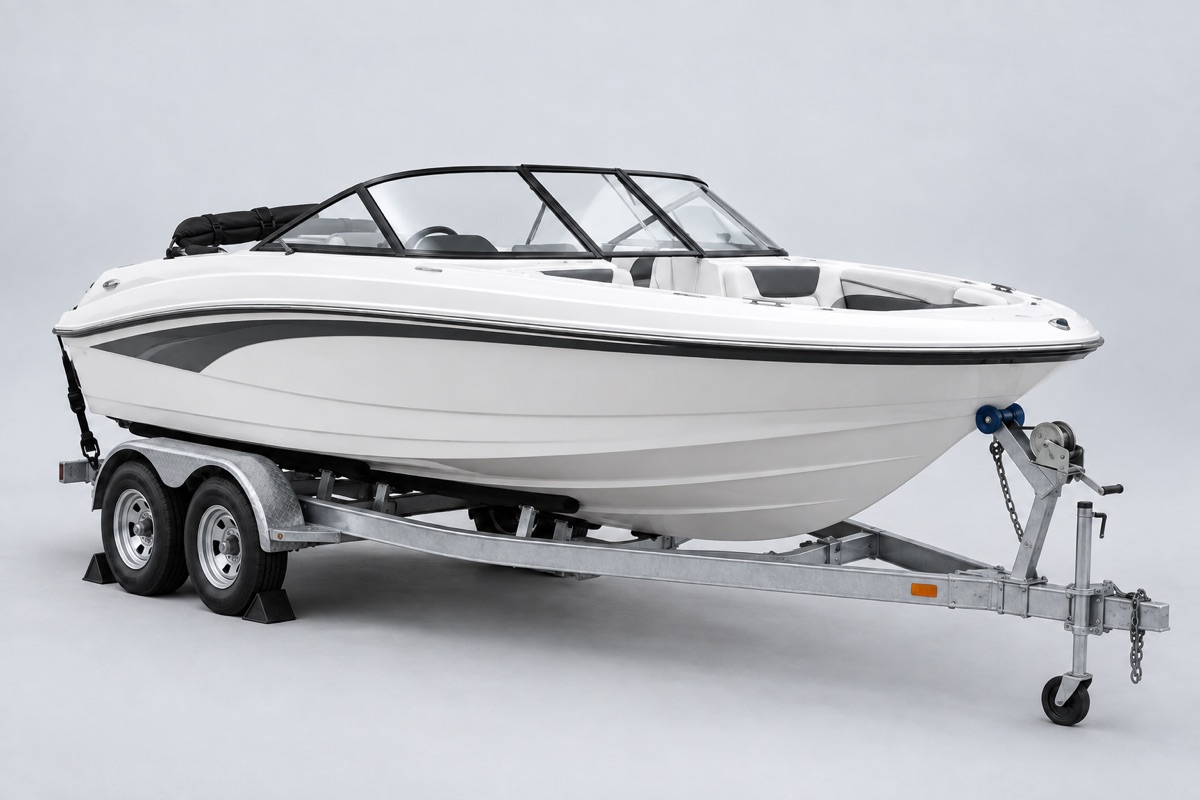
For eligible boats and watercraft, we review length, width, overall transport height, weight, hull configuration, trailer condition and loading requirements. An existing boat trailer may be appropriate for some shipments after review.
Boats without a suitable trailer, or larger boats, may need a flatbed or other specialized arrangement. Oversized shipments can also involve route-clearance, permit and loading-equipment considerations. The applicable responsibilities and feasibility must be confirmed before booking; C&P does not promise permit handling or universal boat capability.
Provide accurate dimensions and photos when available. Discuss how the boat will be loaded and unloaded, and any limitations at pickup and delivery. We coordinate the review with potential carriers before confirming an option.
Boat transport →How C&P helps identify appropriate equipment
We review the shipment as a whole and coordinate with suitable carriers. The same transport arrangement may not work for a sedan, collector car, excavator and boat.
- Vehicle, boat or equipment type
- Weight and complete dimensions
- Running condition and ground clearance
- Pickup and delivery locations and access
- Loading and unloading requirements
- Trailer, special equipment and scheduling needs
Share what you know first. Our bilingual team can follow up for missing details, photos and feasibility questions. Final arrangements are subject to the shipment and available equipment and carriers.
Dealerships and auctions →Not sure which transport option you need?
Provide your vehicle or equipment details, pickup and destination, and any known dimensions, weight or loading needs. Our bilingual team will follow up to help identify an appropriate option and coordinate a quote review.
Common questions
Is enclosed transport always the right choice for a classic car?
Not automatically. Its reduced exposure may be valuable, but condition, finish, budget, route and carrier availability all matter. Discuss your priorities before choosing a transport option.
Can I request transport for a boat without a trailer?
Yes, you can request a review. Provide dimensions, weight, hull details and loading arrangements. Acceptance depends on suitable equipment, the route and carrier availability.
Does heavy equipment always need a lowboy?
No. A flatbed, step-deck, RGN or another specialized trailer may be appropriate. The load’s dimensions, weight and loading method determine what can be considered.
Who operates the truck and trailer?
The assigned carrier. C&P acts as the transportation broker, coordinating the shipment and communication rather than presenting the equipment as its own.